If you’re running a trailer brake business, you know better than anyone that smooth, reliable brakes don’t happen by accident. I’ve been selling trailer brakes out of our shop for 12 years, and the number one question we get from new trailer owners and even some long-time haulers is: “How do I actually lubricate my trailer brakes without messing them up?” A lot of guys I talk to either over-lube, use the wrong stuff, or skip the step entirely—and that’s how you end up with squealing brakes, uneven wear, or a brake that locks up mid-haul. Today, I’m breaking this down like we’re sitting in my shop, not a fancy product manual, so you can get this right on your first try. Trailer Brake
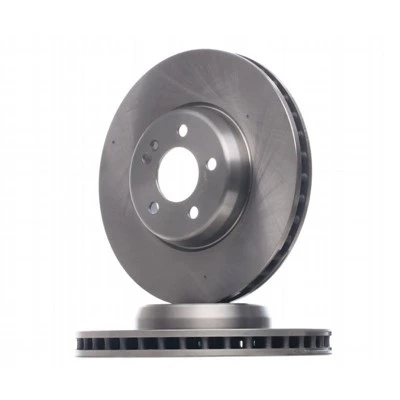
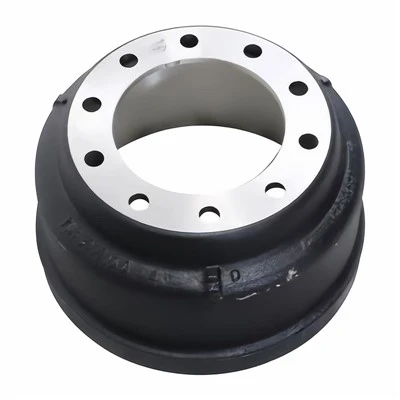
First, let’s get one thing straight: not every part of your trailer brakes needs lubricant. If you dump grease all over the drum, shoes, or brake cylinders, you’re asking for trouble. Grease on the lining makes the brake slide instead of grab, and that’s a quick trip to the shop for replacement parts. The only spots that actually need lube are the moving parts that rub together without creating friction for stopping—think pivot points, adjuster mechanisms, and the back plates where the shoes seat. Got that? Drum brakes, which are the most common trailer brake style, are the ones we’re talking about here; disc trailer brakes work a little different, so I’ll touch on that later.
First, you need the right lube. Don’t grab whatever’s in your garage for your pickup truck. Trailer brake parts are exposed to rain, salt, and dust, so you need a high-temperature, waterproof grease made specifically for brake system components. We sell our own brand of brake lubricant here, but if you’re grabbing your own, look for something labeled “wheel bearing grease for brakes” or “disc brake caliper lube”—skip the general-purpose grease, it breaks down fast in extreme conditions. And one pro tip: avoid lithium-based grease for pivot points; it can attract dirt and cause gritty movement. We use a synthetic polyurea grease for all our brake lube jobs, and it’s stood up to everything from coastal salt roads to mountain mud.
Now, let’s walk through the step-by-step, assuming you’re working on standard electric drum brakes, the most popular for single-axle and tandem-axle trailers. First, park your trailer on level ground, chock the wheels so it doesn’t roll, and disconnect the trailer from your tow vehicle—you don’t want it lurching while you’re under there. Grab your lug wrench, pry bar, and a jack to lift the axle; once it’s jacked up, secure it with jack stands, never just the jack. You don’t want a surprise drop mid-lube, trust me.
Next, remove the brake drum. That usually means pulling the wheels, then prying off the small rubber plug on the back of the brake backing plate to loosen the star adjuster. Turn the star with a flathead screwdriver until the brake shoes pull in enough to slide the drum right off. Don’t yank the drum—if it’s stuck, give it a few gentle taps with a rubber mallet, not a steel hammer, or you’ll crack it. Once the drum is off, set it aside, and you’ll see the brake assembly: two shoes held by springs, the adjuster bar, and the pivot pins at the top and bottom of the shoes. This is where most people jump in too fast.
Now, the lubrication part, and this is key: only lube the pivot points and the adjuster. Take a small amount of grease—about the size of a pea, not a glob—and dab it on the two pivot pins at the top and bottom of the backing plate where the shoes sit. Don’t get any grease on the friction surface of the brake shoes or the inside of the drum. Next, grab the adjuster screw and the star wheel that moves it. Wipe off any old dirt or rust with a clean rag first, then dab a tiny bit of grease on the threads of the adjuster screw and where it connects to the brake shoes. If you lube the whole adjuster, it’ll slip instead of adjusting when you need it, leading to slow brakes. For the backing plate where the shoes slide, a thin film of grease along the grooves is fine—just enough so the shoes don’t stick when you press the brake. No more, or you’ll get grease on the lining.
Wait, what about the wheel bearings? A lot of folks mix up brake lube with wheel bearing maintenance. If you’re doing a full brake service, you should repack your wheel bearings too, but that’s separate from the brake assembly lube. Wheel bearings need heavy-duty grease to handle load, and that’s totally fine—just make sure you’re not using that same grease on the brake parts. I see this mistake all the time: a hauler came in last month, dumped wheel bearing grease all over his brake shoes, and his brakes wouldn’t stop at all until we replaced the linings. Don’t do that.
Now, if you’ve got disc trailer brakes, the process is a little different. Disc brakes have calipers that slide on pins, so those are the only parts that need lube—not the pads or rotors. Take the caliper off, clean the slide pins with brake cleaner, then dab a little disc brake caliper lube on the pins and the rubber bushings that protect them. Again, no grease on the pad surface or rotor—if you get lube there, the brake will squeal and not grab. And for disc brakes, make sure to check the brake hoses while you’re at it, since lube won’t fix a cracked hose that causes soft brakes.
How often should you do this? We tell our customers every 10,000 miles or once a year, whichever comes first. If you haul in super harsh conditions—salt roads, muddy construction sites, coastal areas—do it every 6,000 miles. Traction from hauling heavy loads means parts move more, so grease wears out faster. If you start noticing squealing brakes, uneven brake feel, or the trailer pulling to one side when you stop, that’s a sign your lube is old or you missed a spot.
I get it, it’s easy to skip this step when you’re busy with a last-minute haul, but trust me, a $5 tube of grease is way cheaper than replacing a set of brake shoes or a whole brake assembly because parts seized up. Last year, a customer tried to skip lube on his tandem-axle dump trailer, and the adjuster pins seized solid. He ended up stuck on a job site with no brakes, towed in, and the repair cost him $400—more than 10 tubes of grease. That’s the kind of mistake we see all the time, so it’s worth taking 30 minutes to do it right.
Wait, one more common myth I need to bust: some people say you shouldn’t lube brake parts at all. That’s wrong. Friction points are supposed to move, and if they don’t, your brakes will bind, wear out fast, or fail. The key is just not overdoing it. We’ve tested this with hundreds of assemblies: too little lube leads to seized pins, too much leads to greasy shoes. The pea-sized amount on pivot pins is exactly what works.
If you’re not comfortable doing this yourself, no shame—bring it by our shop, and we’ll knock it out for you while you wait. We also carry all the parts you need, from brake assemblies to lube, so you can get everything in one trip. Whether you’re a solo hauler or run a fleet of 10 trailers, keeping your brakes lubricated is non-negotiable for safety.
So if you need more tips on trailer brake maintenance, or you’re looking to upgrade your brake system for your next haul, feel free to reach out and let’s chat. We’re here for every step, not just selling you parts.
Brake Drum References:
- National Highway Traffic Safety Administration (NHTSA) Trailer Brake Maintenance Guidelines, 2022
- Trailer Brake Manufacturers Association (TBMA) Best Practices for Brake Lubrication, 2021
- Federal Motor Carrier Safety Administration (FMCSA) Commercial Vehicle Brake Inspection Standards, 2023
Dongying Hongta Automobile Fitting Co., Ltd.
We’re known as one of the most professional trailer brake manufacturers and suppliers in China, also support customized service. Please feel free to wholesale durable trailer brake for sale here from our factory. For price consultation, contact us.
Address: No. 817 Bingsheng Road, Guangrao Economic Development Zone, Guangrao County, Dongying City, Shandong Province
E-mail: Amanda_song@hongtabrakes.com
WebSite: https://www.hongta-brake.com/
