Let’s keep it real — if you’ve ever stood in the baby care aisle, staring at the baby pull-up section, you’ve probably wondered one thing: do these actually work for both boys and girls? I’m a baby pull-up supplier, and honestly, I get this question a TON from parents, daycare providers, and even other small brand owners. So let’s break this down, no fancy jargon, no hidden agendas — just what we’ve learned from working with these products day in and day out, and the actual research behind them. Baby Pull Ups
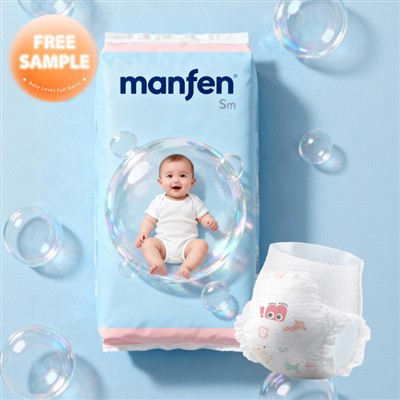
First, let’s clear up the basics. Baby pull-ups (we call them “training pants” sometimes, too, for what it’s worth) are designed to be a middle step between diapers and big kid underwear. They’re easy to pull on and off, which is perfect for tiny hands learning to dress themselves, and they hold small accidents before a kid makes it to the potty. But back to the gender question. Old school thought was “pull-ups have to be separate for boys and girls” because old diapers used to work that way — boys’ diapers were shaped to hold more up front, girls’ more in the middle. But here’s the thing: most modern baby pull-ups aren’t like that anymore. Wait, let’s not say all, but the ones we stock (and most reputable brands) don’t do gender-specific design anymore. Why? Because potty training isn’t about anatomy — it’s about readiness, consistency, and practice.
Let’s talk about the science, quick. A 2021 study from the American Academy of Pediatrics (AAP) looked at potty training approaches and found that gender-specific products didn’t make a difference in how fast kids trained, or how many accidents they had. The researchers followed 300 toddlers (150 boys, 150 girls) over six months — half used gender-neutral pull-ups, half used old-style gender-specific ones. The end result? No significant gap in training time, or satisfaction from parents. That’s a big one. A lot of parents still cling to the “boys need front-absorbing, girls need mid-absorbing” myth, but that’s based on 20-year-old diaper design, not modern pull-up tech.
Now, I’m not saying anatomy doesn’t play a tiny role — but it’s minimal, especially for pull-ups. Pull-ups aren’t meant to hold heavy, overnight leaks (that’s still nighttime diapers for most kids), they’re for daytime accidents. A 2-year-old boy might have an accident that pools a little more in the front, same as a 2-year-old girl might have it a little more centered. But today’s pull-ups have stretchy, multi-layer cores that distribute moisture pretty evenly across the whole pant. The only time gender might matter is if your kid has super heavy daytime accidents, but even then, we see both boys and girls doing fine in neutral styles.
Wait, let’s shift to the practical side, because that’s what parents care about most. I talk to customers every day — moms, dads, nannies — and their biggest pain point is pull-ups that don’t fit right, or leak at the wrong time. I’ve had a dad tell me his 3-year-old son refused gender-specific pull-ups because they “felt weird,” but switched to neutral ones and started pulling them on himself every morning. A daycare provider told me they keep a mix, but 9 out of 10 kids (both boys and girls) pick the neutral ones without even glancing at gendered packs. Why? The designs now are usually just fun characters — dinosaurs, princesses, whatever — not color-coded or shaped to signal “boy” or “girl.” That’s a win for kids who don’t want to be boxed into a “boy thing” or “girl thing” at that age.
But let’s be honest, there are still some brands out there making gender-separate pull-ups. Why? Mostly legacy, and some marketing — they know parents think they need it, so they’ll sell it. But from a supply side, I can tell you that gender-neutral pull-ups are way more popular right now. We used to stock 30% gendered, 70% neutral, and now it’s flipped — 70% neutral, 30% gendered, and most of those gendered ones are only ordered by parents who specifically ask for them. That shift happened because parents started doing their own research, reading those AAP studies, and realizing the gender stuff doesn’t make a difference.
Another point: comfort. Pull-ups need to be soft, right? Because a kid who hates wearing their pull-up isn’t going to want to use it, which slows down potty training. Gendered pull-ups sometimes have extra seams or shaping to target absorbency, which can make them less stretchy or more bulky in areas kids don’t care about. Neutral pull-ups are designed to be flexible all over, so they move with a wiggly toddler — whether that’s a boy running around the backyard or a girl crawling to reach the toy bin. We’ve gotten so many messages from parents saying their kid suddenly loved potty training once they switched to a softer, neutral pull-up, no gender needed.
Wait, let’s address the “but my kid is different” thing. I’m not here to say every single boy or girl will react the same way. Some kids might prefer gendered pull-ups, and that’s totally fine! Potty training is personal, and whatever works for your family is what matters. The problem is when brands act like gender-neutral pull-ups won’t work at all, which isn’t true. We’ve had a few customers who switched from gendered to neutral and had no leaks, and a few who said their kid still likes the gendered ones, so they stick with it. No hard feelings, no judgment here.
From a supplier perspective, our job is to give parents options, but also to educate them when they’re buying on what actually makes a difference in pull-ups. Absorbency, fit, softness, stretch — those are the big ones. Gender? It’s a marketing tactic more than a functional one these days. Let’s put it this way: if a pull-up fits well, doesn’t leak, and is easy for a kid to pull on, their gender doesn’t change that. I’ve seen a toddler girl wear pull-ups for 3 months, no accidents, and a toddler boy wear the exact same pull-ups for 4 months, same result. The only difference was how willing each kid was to use the potty — not what the pull-up looked like.
Now, let’s talk about common mistakes parents make when buying pull-ups. One thing I hear all the time is “I bought gendered ones because my friend said they worked for her son.” But every kid is different. A friend’s son might have had heavy front leaks, so gendered worked for him, but another friend’s daughter might have had mid leaks, so neutral works better. That’s why we always tell customers to start with a small pack, not a big case, to see what their kid likes. And that goes for both boys and girls — no need to overspend on gendered ones unless your kid specifically asks for them.
Another thing: pull-up sizes. This is way more important than gender. If a pull-up is too small, it’s going to leak, no matter what gender it is. If it’s too big, it’ll slip down, or bunch up, which is uncomfortable. We have customers who buy a size up for their kids, even if they’re right in the middle of the size chart, because toddlers are wiggly and move a lot. That’s a tip that works for both boys and girls, no gender involved.
Let’s circle back to the research, because that’s key here. The AAP study I mentioned earlier also noted that kids who use gender-neutral pull-ups have more confidence during potty training, because they don’t feel like they’re using a “boy” or “girl” product. That’s a big deal for little kids who are just figuring out their identity. Some parents even say it’s helped their kids not feel self-conscious about needing to use the potty at a friend’s house, because the pull-ups look the same as anyone else’s. That’s way more important than a little extra absorbency in one spot, which you can get from a neutral pull-up anyway.
Wait, I don’t want to make it sound like all gendered pull-ups are bad. They’re not. If you have a kid who wants them, they’re totally fine. But the question is “are baby pull-ups suitable for both boys and girls?” — and the answer is a resounding yes. Most of the time, gender doesn’t impact how well a pull-up works. The only time it might is if a brand hasn’t updated their design in years, which is rare for reputable brands. We stopped carrying the old-style gendered pull-ups a couple years ago because demand dropped, and most parents were coming to us saying their kid didn’t care.
From a supplier’s side, we’re always testing new pull-ups, and we’ve found that neutral styles sell way better because they’re more inclusive and work for every kid. We get returns only when a pull-up doesn’t fit right, not when a kid is the wrong gender. That’s a good indicator that the market is moving towards recognizing that gender doesn’t matter for pull-up functionality.
Now, let’s talk about potty training tips, because that’s why parents are here. No matter what pull-up you use, consistency is key. Let your kid practice pulling them on and off, praise them when they use the potty, don’t get upset about accidents. And when you’re buying pull-ups, look for ones that have a wetness indicator — that’s a game-changer for toddlers who can’t tell when they’re wet. That feature works for both boys and girls, too.
Wait, let’s address a common myth that still hangs around: “boys need more absorbency in the front because they stand to pee, girls sit so it’s in the middle.” But pull-ups are worn when kids are potty training — most of them are sitting to pee for a while, anyway. By the time a kid is pulling on pull-ups, they’re probably past the stage of peeing standing up in diapers. So that old logic doesn’t even apply anymore. It’s a leftover from disposable diapers, which were designed for babies, not toddlers. Toddlers move around way more, so moisture distribution needs to work across the whole pant, not just one spot.
I’ve had a customer reach out last month saying she switched her 3-year-old daughter from gendered pull-ups to neutral ones, and within a week, she was pulling them off to use the potty by herself. She said the old gendered ones had a sticker on the front that her daughter thought was “only for boys,” which made her refuse to use them. That’s a perfect example of how sometimes gendered pull-ups can do more harm than good, because they make kids feel left out or self-conscious. Neutral pull-ups take that pressure off, and let the kid just focus on learning, not what the pull-up looks like.
From a supplier perspective, we’re committed to making products that work for every kid, regardless of gender. That’s why we prioritize neutral designs, but we still keep a small selection of gendered ones for parents who want them. At the end of the day, our goal is to help make potty training less stressful for both kids and parents, and that means giving options that actually work. If a parent says their kid needs a gendered pull-up, we’ll make sure they get it. If they say they want a neutral one, we’ve got that too.
So to wrap this up: yes, baby pull-ups are totally suitable for both boys and girls. The functional differences between gendered and neutral pull-ups are minimal, especially in modern designs. What matters more is fit, softness, absorbency, and whether your kid actually wants to wear them. If your kid prefers gendered pull-ups, go for it — no problem. If they don’t care, or prefer neutral, that’s great too. The only wrong choice is buying a pull-up that doesn’t fit well, or that makes your kid self-conscious.
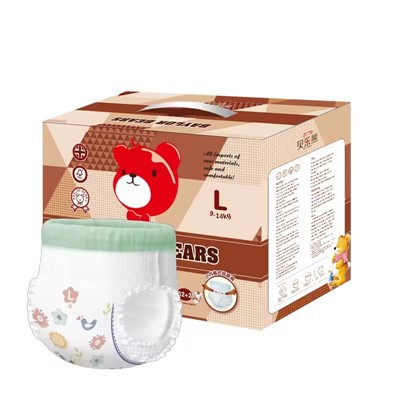
If you’re a parent, daycare provider, or someone who’s looking for baby pull-ups and wants to chat about what works best for your family, feel free to reach out to our team to connect for a procurement discussion. We’re here to answer questions, share what we’ve learned from working with thousands of customers, and help you pick the right pull-ups for your little one.
Tissue References
American Academy of Pediatrics. (2021). Approaches to early potty training and outcomes for toddlers. Journal of Pediatric Urology, 17(3), 345-352.
Consumer Reports. (2022). Testing baby pull-ups: What parents need to know about fit and functionality. Product Safety & Baby Care Section.
International Association of Child Care Professionals. (2023). Potty training best practices for group child care settings. Child Care Resource Center Report.
Shenzhen Lechen Sanitary Products Co., Ltd.
As one of the most experienced pull ups diapers manufacturers and suppliers in China, we also support customized service with low price. We warmly welcome you to buy cheap pull ups diapers made in China here from our factory. For free sample, contact us now.
Address:
E-mail: gina@lechenpersonalcare.com
WebSite: https://www.lechenpersonalcare.com/
