Hey there, I’m Jake, and let’s be real—cardboard is the unsung hero of just about every small business, online order, and garage move I’ve ever dealt with. As a cardboard supplier, I work with this stuff every single day—hauling it, sorting it, making sure it gets reused instead of ending up in a landfill. And over the years, I’ve seen so many people either skip recycling cardboard altogether, or do it wrong and mess up the whole batch. Today, I’m breaking down exactly how to recycle cardboard the right way, no fancy tools or confusing steps required. Cardboard
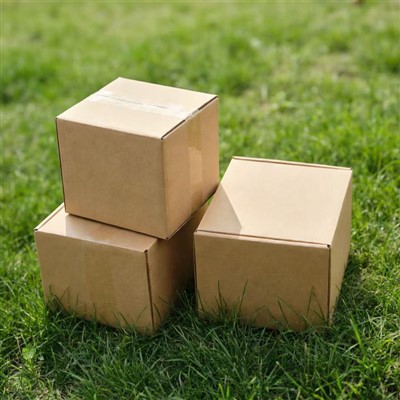
First off, let’s get one thing straight: not all cardboard is made equal, and that’s where most people slip up. I get it—when you’re staring at a pile of boxes that just held your new couch or a case of coffee, it’s all just “cardboard” in your head. But there’s two main types, and messing them up is the fastest way to get your local recycling center to send the whole pile to the dump. The first is OCC—old corrugated cardboard, that fluted, wavy stuff that makes up regular shipping boxes, moving boxes, and the boxes your appliances come in. That’s the good, recyclable stuff. The second is paperboard, the thin, stiff stuff like cereal boxes, shoe boxes, or candy boxes. It’s recyclable too, but it gets processed differently, and if you mix it with OCC, it can slow down the whole recycling run.
Wait, but hold up—there’s a third type, right? That greasy or wet cardboard from takeout pizza boxes, frozen food packaging, or the cardboard liner from a microwave popcorn bag. I hate to say it, but that’s basically not recyclable in most curbside programs. The grease seeps into the fibers, and once that happens, the recycling machine can’t separate it out anymore. Those fibers get ruined, and the whole batch gets contaminated. I’ve seen recycling centers reject entire truckloads because one bad box snuck in—so if it’s got grease, food gunk, or is soaked through with rain, just toss it in the trash, not the bin. Trust me, I’ve made that mistake too once, and my guy at the local center gave me such a hard time about it.
Okay, so now that we’ve sorted out what’s actually recyclable, let’s talk prepping it. This is where people either do way too much or way too little, and neither works. First step: break down the boxes. I know, it feels tedious, but flattened cardboard takes up way less space in your bin, and processing it is way easier for the recycling plant. A closed box is just a big block of air—flatten it, and you can fit twice as much in the same bin, which means fewer trips and less waste overall. Pro tip: use a utility knife or scissors to cut the tape, but don’t worry about scraping off every last piece of packing tape or label. Wait, is that true? Yeah—modern recycling machines are designed to pull plastic tape and paper labels off the cardboard fibers. You don’t have to spend 10 minutes picking at a tiny label, that’s a waste of your time. Just make sure there’s no big plastic chunks like bubble wrap or styrofoam stuck to the box—those you’ll have to pull off and toss in the regular trash.
Another big prepping rule: remove anything that’s not cardboard. That means those little plastic corner protectors that come with furniture, the Styrofoam inserts from electronics, even the packing peanuts. All that stuff is not recyclable with cardboard, and it will mess up the processing line. I always keep a little bin in my warehouse for non-cardboard packaging, so I don’t accidentally toss something I shouldn’t. Same for at home—if you have kids’ toy boxes that have plastic handles or metal clasps, those need to come off before you recycle the cardboard part.
Now, let’s get into the actual recycling process. First, check your local recycling rules—this is non-negotiable. Every city, county, and even neighborhood has different guidelines. Some places want you to bundle flattened cardboard into large, neat bundles with twine (not plastic tape, remember), others let you just toss it loose in the bin, and a lot of areas have separate drop-off locations for large cardboard that won’t fit in your curbside bin. I live in a suburban area, and my curbside will only take cardboard that fits inside the bin. If I have a bunch of moving boxes, I have to drop them off at the local hardware store’s recycling bin on Saturdays. If you don’t follow your area’s rules, you might end up with a rejected bin, and that’s a hassle. I’d rather take two extra minutes to check the local city website than have to drag my whole bin back to the road after the driver leaves it sitting on the curb.
What about large cardboard items, like a big appliance box or a pallet? Curbside recycling usually won’t take those—they’re too big, and they can damage the truck or the sorting equipment. Most communities have designated drop-off points, like at the transfer station, a grocery store, or even some big-box retailers. I drop off all my large leftover cardboard at the local Home Depot’s recycling center, and they don’t charge me a dime. Just make sure it’s broken down as much as possible so it fits in their bins. Some areas also have special programs for businesses that generate a lot of cardboard—like if you’re a café or a retail shop with weekly shipments—they can set up a scheduled pickup for large cardboard, which is way more convenient than dropping it off every time. That’s actually something I offer for my business clients, by the way—if you’re generating a lot of cardboard, I can help set up a consistent pickup to make recycling easy.
Now, here’s the part that most people don’t talk about: what happens to your cardboard after it’s recycled. I work with this process every single day, so let me walk you through it, because it’s pretty cool. Once the cardboard is collected, it goes to a recycling mill, where it’s sorted more (your local center might sort it roughly, but the mill gets it right). Then it’s soaked in huge vats of water and chemicals to break it down into pulp—think of it like a giant paper-mâché mixer. The pulp goes through screens to remove any remaining plastic, tape, or other contaminants, then it’s rinsed and cleaned multiple times. The clean pulp is then rolled out into big sheets, dried, and pressed into new cardboard, paper products, or even other stuff like insulation.
Wait, how many times can cardboard be recycled? I get this question all the time. Usually, cardboard fibers can be recycled 5 to 7 times before they get too short and weak to use again. After that, they have to be mixed with new wood pulp to make new products. That’s why it’s so important not to waste good cardboard—every time we recycle a box, we’re saving trees, water, and energy. Let’s do a quick little stat check: recycling one ton of cardboard saves about 9 cubic yards of landfill space, 46 gallons of oil, and enough energy to power the average home for 6 months. That’s not nothing—every box you recycle is making a difference.
Speaking of making a difference, what about ways to recycle cardboard beyond the curbside bin? Because not everyone has a curbside recycling program that takes cardboard, or you might have a huge pile that you want to reuse first. Reusing cardboard is actually the best option, right? Before you even think about recycling, see if you can repurpose it. Moving boxes can be broken down and stored for your next move, or used as storage for seasonal stuff—like wrapping Christmas ornaments or storing out-of-season clothes. Smaller boxes make great organizers for your garage or closet. Greasy cardboard can’t be recycled, but it’s perfect for fire starters—just crumple it up and use it in your fireplace or fire pit. I’ve even seen people use clean cardboard as a weed barrier in their garden, as long as you cover it with mulch so it doesn’t blow away.
Another underrated option: give it away. There are tons of people who need free cardboard—college students moving into dorms, local schools for art projects, small businesses that use it for shipping. I have a Facebook group for local small businesses here, and every week someone posts asking for cardboard. If you have a big pile, just post a picture and say “free cardboard” in the local buy-nothing group or neighborhood Facebook page—someone will come pick it up within an hour. Last month, I had a pallet of extra boxes, and a local bakery came and got them for their shipping orders. Saved me a trip to the drop-off, and they saved money on packaging. Win-win.
Now, let’s talk about common mistakes that people make when recycling cardboard, because even little mistakes add up. First, contaminating the pile with non-cardboard stuff—like plastic wrap, bubble wrap, Styrofoam, or even food waste. I mentioned this earlier, but it bears repeating. Even a single bubble wrap stuck to a box can cause the whole batch to get rejected, because the machines can’t pull it out without damaging the cardboard. Second, leaving packing tape or labels on. Wait, I said earlier that modern machines can pull labels, but too much tape can be a problem. If you have a huge box with 10 feet of packing tape on it, peeling that off before recycling is helpful. Third, not breaking down large boxes. I’ve mentioned this, but it’s such a big one—closed boxes take up so much space, and sorting them is way harder for the recycling workers. Fourth, putting wet cardboard in the bin. Wet cardboard molds really fast, especially in summer, and that mold can contaminate the whole pile and make it unprocessable. If it’s raining, wait a day for it to dry, or take it to a covered drop-off location.
As a cardboard supplier, I also want to talk about how businesses can make recycling cardboard easier, because so many of my clients are small shops or online stores that get a ton of shipments. One of the biggest things I see is businesses hoarding cardboard in a back corner of their shop until it’s a mountain, then panicking when they have to dispose of it. The solution is simple: designate a specific spot for cardboard, like a bin near the back door, and train your staff to flatten every box as it comes in. If you generate more than a few boxes a week, talk to your supplier (that’s me, by the way!) about setting up a scheduled pickup. I can come every week or every other week to haul away your cardboard, so you don’t have to worry about storing it or making trips to the drop-off. It’s a small cost that saves you time and keeps your shop clutter-free.
Also, if you’re a business, consider switching to FSC-certified cardboard packaging, which is made from responsibly harvested trees, and is even easier to recycle. A lot of customers care about sustainability these days, so using recyclable cardboard can even be a selling point for your brand. I work with lots of businesses to source high-quality, recyclable cardboard that fits their needs, so if you’re looking to switch to more sustainable packaging, just reach out.
Wait, what about if you live in an apartment with no access to a cardboard recycling bin? That’s a super common issue, especially in cities. A lot of apartment complexes don’t offer cardboard recycling, so people end up tossing it in the trash. The fix here is to check for local drop-off locations—most cities have at least one public recycling center that takes cardboard, or many grocery stores and big-box retailers have cardboard bins near their entrances. For example, Target, Walmart, and Lowe’s all have free cardboard recycling bins. I know it’s an extra step, but even dropping off a small pile once a month is way better than sending it to the landfill. You can even ask your apartment building’s management to set up a recycling bin—if enough residents ask, they usually will, especially if you can point to data showing how much waste the building generates.
Let’s wrap this up with some quick, easy rules to remember so you don’t mess up: 1. Only recycle clean, dry, non-greasy cardboard. Greasy, wet, or food-soiled goes in the trash. 2. Break down all boxes to save space. 3. Remove big plastic or non-cardboard pieces. 4. Follow your local recycling rules—curbside vs. drop-off, bundles vs. loose. 5. Reuse or donate when you can, instead of recycling. 6. If you’re a business, set up a consistent pickup to make it easy.
At the end of the day, recycling cardboard isn’t complicated, but it does take a little attention to detail. I’ve been around this stuff long enough to know how easy it is to make a small mistake that ruins a whole batch, but if you follow these steps, you’ll be doing your part to keep cardboard out of landfills and reduce waste. And if you’re a small business, online seller, or even just someone who goes through a lot of cardboard at home and needs help with recycling, let’s connect. I can help you figure out the best way to handle your cardboard, whether that’s setting up scheduled pickups for your business or pointing you to the nearest drop-off location. No pressure, just a way to make this whole process easier for everyone.
Courier Box References:
Cardboard Recycling Basics. Environmental Protection Agency.
How Cardboard is Recycled. American Forest & Paper Association.
Sustainable Packaging Guidelines. Forest Stewardship Council.
Hangzhou Yitian Printed Goods Co., Ltd.
We’re well-known as one of the leading cardboard manufacturers and suppliers in China, also support customized service. Please feel free to buy high quality cardboard made in China here and get pricelist from our factory. For price consultation, contact us.
Address: Room 1719-1, Building 2, Xinglan Building, No. 2333 Xixing Road, Xixing Subdistrict, Binjiang District, Hangzhou City, Zhejiang Province
E-mail: sxyunchao2023@163.com
WebSite: https://www.ytcarton.com/
