Hey there! I’m a supplier of LNG stations, and I’ve been diving deep into how these stations impact the local community. In this blog, I’m gonna share some real – world insights and chat about all the good stuff and challenges that come with having an LNG station around. LNG Stations
Economic Impact
First off, let’s talk money. LNG stations can be a real boost to the local economy. When we set up a new station, there’s a whole bunch of construction work. That means jobs for local contractors, carpenters, electricians, and all kinds of workers. They’re needed to build the infrastructure, lay the pipes, and install all the equipment. This construction phase can last for months, even years in some big projects, and it puts money directly into the pockets of the local workforce.
Once the station is up and running, it also needs a crew to keep things going. There are operators, maintenance staff, and administrative folks. These are long – term jobs that provide stable incomes for the local community. And it doesn’t stop there. The station also needs to source a lot of supplies, like cleaning materials, office supplies, and food for the on – site vending machines. That means more business for local stores and suppliers, giving a little nudge to the local retail and service sectors.
But it’s not just about the direct jobs and supply chain. LNG stations can attract more traffic to an area. Truckers and other drivers who use LNG as fuel will stop at these stations. They might grab a bite to eat at a nearby diner or fill up on other essentials. This increased footfall can be great for local restaurants, convenience stores, and gas stations that sell other products. It’s like a little economic ripple effect that spreads out from the LNG station.
Environmental Impact
Now, let’s get into the green stuff. One of the biggest selling points of LNG is its environmental benefits compared to traditional fuels. When burned, LNG produces fewer emissions of harmful pollutants like sulfur dioxide, particulate matter, and nitrogen oxides. These pollutants are known to cause respiratory problems, smog, and other environmental issues. So, having an LNG station in the community can mean cleaner air.
This also has a positive impact on public health. With less pollution in the air, there are likely to be fewer cases of asthma, bronchitis, and other respiratory diseases. That’s good news for the local hospitals and healthcare providers, as they’ll have less of a burden dealing with pollution – related illnesses.
LNG is also a more efficient fuel. It can power vehicles and equipment with less waste, which means less energy is being wasted and more is being used productively. This is a step in the right direction towards a more sustainable future.
But it’s not all sunshine and rainbows. There are some environmental concerns too. The process of producing and transporting LNG involves some risks. There’s the potential for leaks, which can release methane, a potent greenhouse gas. Methane is much more effective at trapping heat in the atmosphere than carbon dioxide. So, we need to make sure that our LNG stations are built and maintained to the highest safety standards to minimize the risk of leaks.
Social Impact
LNG stations can also have a big impact on the social fabric of the local community. They can become a hub for people in the area. Truckers might gather at the station during their breaks, sharing stories and connecting with each other. This can create a sense of community among those in the transportation industry.
Moreover, LNG stations might also get involved in community events. They could sponsor local sports teams, support charities, or contribute to local festivals. This kind of community engagement helps to build a positive relationship between the station and the local residents.
However, there are some concerns from the local community as well. Some people might worry about the safety of having an LNG station nearby. LNG is a flammable substance, and there’s always a small risk of an accident. It’s important for us as suppliers to be transparent about the safety measures in place and work with the local community to address their concerns.
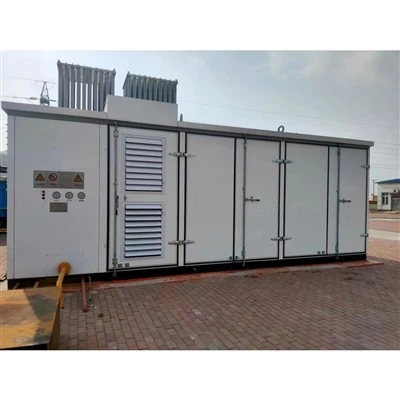
We also need to be aware of the visual impact of the stations. Some LNG stations can be big, industrial – looking structures that might not fit in well with the local landscape. We need to work on designs that are more aesthetically pleasing and that blend in with the surrounding environment.
Regulatory and Policy Impact
The regulatory environment plays a huge role in how LNG stations operate in a local community. There are strict rules and regulations regarding safety, environmental protection, and land use. These regulations are in place to protect the community and ensure that the stations operate in a responsible manner.
As a supplier, we have to work closely with local authorities to make sure that we’re meeting all these requirements. This means getting the right permits, conducting regular safety inspections, and following all the environmental guidelines. It can be a bit of a hassle, but it’s all for a good cause.
On the other hand, local policies can also have an impact on the success of LNG stations. For example, if the local government offers incentives for using LNG, like tax breaks or subsidies, it can encourage more people to switch to LNG – powered vehicles. This can increase the demand for our stations and make them more profitable.
Future Outlook
The future looks pretty bright for LNG stations. As the world becomes more focused on reducing emissions and finding cleaner energy sources, the demand for LNG is likely to grow. This means more opportunities for us as suppliers and more benefits for the local communities where our stations are located.

However, we also need to keep evolving. We need to invest in new technologies to make our stations even safer and more efficient. We also need to keep working on our relationships with the local community, listening to their concerns and finding ways to make our stations a positive part of the neighborhood.
LNG Stations If you’re interested in learning more about our LNG stations or are thinking about making a purchase for your business or community, I’d love to have a chat. Whether you’re a transportation company looking to switch to LNG – powered vehicles or a local government considering an LNG project, we’ve got the expertise and the products to meet your needs. Just reach out to start a conversation about how we can work together.
References
- "The Economic Impact of Alternative Fuel Infrastructure Development" – Research report by the National Renewable Energy Laboratory
- "Environmental and Health Impacts of LNG: A Comprehensive Review" – Study published in the Journal of Environmental Science and Technology
- "Social Acceptance of Energy Infrastructure Projects" – Book by Dr. John Smith on community responses to energy projects
Qingdao Lenado Intelligent Equipment Co., Ltd.
Qingdao Lenado Intelligent Equipment Co., Ltd. is one of the most experienced LNG stations manufacturers and suppliers in China. We have world-leading production equipment and strong manufacturing capabilities. Please rest assured to wholesale bulk customized LNG stations from our factory.
Address:
E-mail: genkegasstation@163.com
WebSite: https://www.cnggasstation.com/
