Selecting the best 3D printer resin for prototyping is a crucial decision that can significantly impact the outcome of your project. As a seasoned supplier of 3D printers and resins, I’ve had the privilege of witnessing firsthand the transformative power of high – quality resins in the prototyping process. In this blog, I’ll share my insights on the key factors to consider when choosing a 3D printer resin for prototyping and recommend some of the top options in the market. 3D Printer & Resin

Key Factors to Consider
1. Material Properties
- Strength and Durability: For prototypes that need to withstand physical stress, such as mechanical parts or functional models, a resin with high strength and durability is essential. Epoxy – based resins are known for their excellent mechanical properties, making them a popular choice for these types of applications. They can resist impact, abrasion, and deformation, ensuring that the prototype maintains its integrity during testing and handling.
- Flexibility: If your prototype requires flexibility, such as for creating soft – touch components or parts that need to bend without breaking, a flexible resin is the way to go. Urethane – acrylate resins offer a good balance of flexibility and strength, allowing for the creation of prototypes with realistic tactile qualities.
- Transparency: When visual inspection or optical properties are important, a transparent resin is necessary. Some acrylic – based resins can produce clear and transparent parts, making them ideal for prototypes of lenses, light guides, or any application where light transmission is a factor.
2. Resolution and Accuracy
- Viscosity: Resin viscosity plays a crucial role in achieving high – resolution prints. Low – viscosity resins flow more easily, allowing for better layer – to – layer adhesion and smoother surface finishes. This is particularly important for detailed prototypes where fine features need to be accurately reproduced.
- Photopolymerization Speed: The speed at which the resin cures under UV light affects the overall printing time and the accuracy of the print. Faster – curing resins can reduce printing time, but may sometimes sacrifice a bit of precision. It’s important to find a balance that suits the requirements of your prototype.
3. Post – Processing Requirements
- Ease of Cleaning: After printing, the prototype needs to be cleaned to remove any uncured resin. Some resins are easier to clean than others, requiring less time and effort. Water – washable resins, for example, can be cleaned with just water, eliminating the need for harsh solvents.
- Curing Requirements: Some resins require additional post – curing steps to achieve their full mechanical properties. This may involve exposing the printed part to UV light or heat. Understanding the post – curing requirements of a resin is important for planning the overall prototyping process.
4. Cost – effectiveness
- Price per Kilogram: The cost of the resin is an important consideration, especially for large – scale prototyping projects. While high – quality resins may come with a higher price tag, it’s important to evaluate the overall value they offer in terms of material properties, resolution, and post – processing requirements.
- Yield: The yield of a resin, or the amount of printable material you can get from a given volume, also affects the cost – effectiveness. Some resins may have a higher waste rate due to issues such as poor flow or difficult cleaning, which can increase the overall cost of the project.
Top 3D Printer Resins for Prototyping
1. Formlabs Tough Resin
- Strength and Durability: Formlabs Tough Resin is designed to mimic the properties of engineering plastics. It has excellent impact resistance and can withstand repeated stress, making it suitable for prototyping functional parts such as gears, brackets, and housings.
- Resolution: This resin offers high – resolution prints, allowing for the creation of detailed prototypes with smooth surface finishes. The low viscosity of the resin ensures good layer – to – layer adhesion, resulting in accurate and precise prints.
- Post – Processing: Formlabs Tough Resin is easy to clean and requires minimal post – processing. After printing, the part can be rinsed in isopropyl alcohol and then post – cured in a UV chamber to achieve its full strength.
2. Anycubic Water – Washable Resin
- Ease of Cleaning: As the name suggests, Anycubic Water – Washable Resin can be cleaned with just water, making it a convenient and environmentally friendly option. This resin is ideal for users who want to avoid the use of harsh solvents in the post – processing stage.
- Resolution and Accuracy: It offers good resolution and accuracy, allowing for the creation of detailed prototypes. The resin cures quickly under UV light, reducing printing time without sacrificing quality.
- Versatility: Anycubic Water – Washable Resin can be used for a variety of prototyping applications, including jewelry, figurines, and small – scale mechanical parts.
3. Siraya Tech Blu
- Transparency: Siraya Tech Blu is a popular choice for creating transparent prototypes. It offers excellent optical clarity, making it suitable for applications such as lenses, light pipes, and display models.
- Mechanical Properties: Despite its transparency, this resin also has good mechanical properties. It is relatively strong and can withstand some degree of handling and stress.
- Curing Speed: Siraya Tech Blu has a fast curing speed, which helps to reduce overall printing time. It also has a low shrinkage rate, ensuring that the printed part maintains its shape and dimensions.
Case Studies
- Automotive Industry: A car manufacturer was looking to prototype a new dashboard component. They needed a resin that could provide high – resolution prints, good strength, and a smooth surface finish. After evaluating several options, they chose Formlabs Tough Resin. The prototype was printed accurately, with all the fine details of the design reproduced perfectly. The component was able to withstand the mechanical stress during testing, and the smooth surface finish gave it a professional look.
- Jewelry Design: A jewelry designer wanted to create a prototype of a new pendant. They were looking for a resin that was easy to clean and could produce detailed and delicate designs. Anycubic Water – Washable Resin was the ideal choice. The designer was able to easily clean the printed pendant with water, and the high – resolution prints captured all the intricate details of the design.
Conclusion
Choosing the best 3D printer resin for prototyping depends on a variety of factors, including material properties, resolution, post – processing requirements, and cost – effectiveness. By understanding these factors and considering the specific needs of your project, you can make an informed decision and select the resin that will help you achieve the best results.
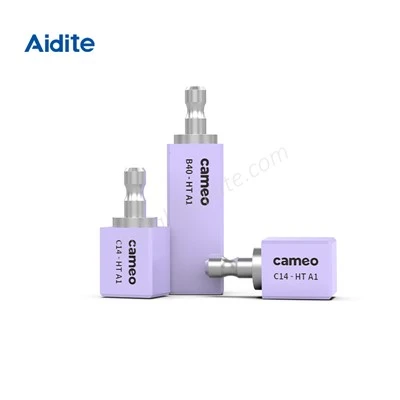
Glass Ceramic As a 3D printer and resin supplier, I’m committed to providing high – quality products and expert advice to help you with your prototyping needs. If you have any questions or need assistance in choosing the right resin for your project, I’d be more than happy to engage in a detailed discussion. Please feel free to reach out to me for a procurement consultation, and let’s work together to bring your prototypes to life.
References
- "3D Printing Resins: A Comprehensive Guide" by 3D Printing Industry
- "Understanding the Properties of Photopolymer Resins for 3D Printing" by Additive Manufacturing Magazine
- Product datasheets of Formlabs Tough Resin, Anycubic Water – Washable Resin, and Siraya Tech Blu
Aidite (Qinhuangdao) Technology Co., Ltd.
Aidite (Qinhuangdao) Technology Co., Ltd. is one of the most professional 3D printer & resin manufacturers and suppliers in China, featured by quality products and good service. Please rest assured to buy bulk 3D printer & resin at competitive price from our factory. Also, quotation is available.
Address: No.9 Dushan Road, Economic and Technological Development Zone, Qinhuangdao, Hebei Prov., China
E-mail: global@aidite.com
WebSite: https://www.aiditeglobal.com/
