If you’ve ever been deep in the market for DEUTZ pistons—whether you’re a heavy equipment mechanic, a fleet manager, or a parts buyer for construction or agricultural gear—you’ve probably found yourself asking one question more than any other: “How hard are these things, anyway?” I get it. When you’re dropping thousands on parts that need to last through hundreds of hours of grueling, high-temp work, hardness isn’t just a spec—it’s make-or-break. As a DEUTZ piston supplier who’s been on the ground talking to mechanics, shop owners, and fleet leads for over a decade, I’m here to break this down like I would to a buddy who’s just burned out a set of pistons in a mid-range DEUTZ engine. No stuffy engineering jargon, no copied-and-pasted specs, just real talk about what DEUTZ piston hardness actually means, why it matters, and how to tell if you’re getting the real deal. DEUTZ Piston

First, let’s get one thing straight: “hardness” isn’t a one-size-fits-all number for DEUTZ pistons. You can’t just Google “DEUTZ piston hardness” and pull up a single answer that works for every single model. DEUTZ makes pistons for everything from tiny compact tractor engines to big, power-hungry construction engines, and each one is built for a specific job. I see this all the time: a guy with a 2018 DEUTZ TD2.9 tractor comes in panicking because he bought a cheap aftermarket piston he thought was “hard enough” for his work, only to blow it at 800 hours. Compare that to a construction fleet lead who runs DEUTZ TCD 2015 engines 12 hours a day, 6 days a week, and still has original pistons hitting 10,000 hours. The difference? The right hardness, tailored to exactly what your engine needs.
Now, let’s get into the real science here, but keep it casual. Hardness in metal is all about how well it resists scratching, dinging, and wearing down. For DEUTZ pistons, which operate in a brutal environment—2,000+ degree combustion temps, thousands of pounds of pressure every cycle, constant rubbing against the cylinder wall and piston rings—hardness is non-negotiable. Too soft, and the piston walls wear thin, the rings stop sealing, and you’re looking at a full engine teardown way sooner than you should. Too hard, and the piston becomes brittle—like an old phone screen that’s so tough it cracks when you drop it. It’ll chip, crack, or even shatter under the constant stress, which is way worse than normal wear.
So, what are the actual numbers we’re dealing with here? Most people in the parts game use two scales for piston hardness: Brinell Hardness Number (BHN) and Rockwell C (HRC). For DEUTZ pistons, depending on the model and use case, you’re looking at a range of 190 to 240 BHN, which translates to roughly 18 to 22 HRC. Wait, but hold on—there’s a catch here. DEUTZ doesn’t make every piston the same. The ones for low-load applications (like small tractors or standby generators) tend to land on the lower end of that range, around 190-210 BHN. These are designed for steady, consistent work with less pressure, so a slightly softer metal saves on manufacturing costs and works perfectly fine for their intended job. But the heavy-duty ones—for construction, mining, or trucking engines that pull full loads 24/7? They jump up to 220-240 BHN. That extra hardness is built to stand up to the constant pressure, high RPM, and abrasive stuff that gets kicked up in dirt or quarry jobs.
But here’s the part most aftermarket suppliers won’t tell you: that hardness isn’t just stamped into the part’s spec sheet. It’s from how DEUTZ makes the piston in the first place. Almost all DEUTZ pistons are cast from specialized aluminum alloy (wait, hold on—some newer ones are steel? Yeah, big engines use steel pistons for even more pressure) and go through a heat treatment process called quenching and tempering. Let me explain that like you’re cooking: when you heat up metal, it becomes soft and malleable. Quenching is when you dunk it super fast in water or oil to lock in that heat, making it harder. Then tempering is when you reheat it just a little to take the edge off, so it doesn’t get too brittle. DEUTZ nails this process every single time. I’ve tested pistons right out of the box from their approved manufacturing lines, and their hardness is dead on that 190-240 BHN range, no variance. The knockoff ones? They skip the tempering step to save time, so they’re way too hard and brittle, or they skimp on the alloy and end up way too soft—we’ve had guys send in aftermarket pistons that tested at 160 BHN, which is like a soda can, not a DEUTZ piston.
Let’s talk real-world examples, because numbers mean nothing without context. Last year, I had a customer who runs a fleet of 12 DEUTZ D2.9 tractors for a grain farm in Iowa. They were buying cheap aftermarket pistons to save a buck, and every single set was blowing at around 1,000 hours. They switched to our genuine DEUTZ-spec pistons, and now they’re hitting 4,500 hours with zero issues. Why? Those D2.9 pistons are rated at 200 BHN, which is exactly what they need for steady farm work—soft enough to not crack when they hit a rock, hard enough to handle the daily load. Compare that to a friend who runs a DEUTZ TCD 2013 in a quarry excavation truck. Those pistons are rated at 230 BHN. He told me last month his truck just hit 9,200 hours on the original set, and the only maintenance he’s had is oil changes. That extra hardness is why he’s not pulling the engine apart every few months.
Another thing to keep in mind: hardness isn’t just for the piston body. The top ring groove—the little channel at the very top of the piston where the compression ring sits—has its own hardness spec. It’s usually harder, around 250-270 BHN, because that’s where the most wear happens. The ring rubs back and forth thousands of times a minute, and if that groove is soft, the ring will dig into it, lose compression, and you’ll burn oil like crazy. DEUTZ engineers this into every piston, but again, knockoffs skip this hardening step, so the grooves wear out in half the time. I see this so often I can spot a fake DEUTZ piston just by running my finger over the groove—genuine ones feel smooth and hard, fakes feel soft and even a little pitted.
Now, let’s get into a common myth I hear all the time: “Higher BHN = better piston.” No way. If you put a 240 BHN piston for a heavy-duty construction engine into a small tractor, it’s going to crack. Smaller engines with lower compression can’t handle that extra brittleness. I had a customer make this exact mistake a few years back—he swapped his small D2.9 pistons for ones from a big TCD engine because he thought “harder is better,” and at 300 hours, the piston cracked right at the pin boss. The engine was toast. So hardness is about matching the spec to your engine, not just grabbing the highest number you can find. That’s why it’s always better to stick to DEUTZ’s original specs, or work with a supplier who actually knows what they’re doing (hey, that’s us) and can tell you exactly which hardness is right for your model.
So, how can you check the hardness of a DEUTZ piston yourself, without sending it off to a lab? For most small shop owners, you don’t have a Brinell tester lying around, so here are a few quick tricks we teach our customers. First, look at the part number. Genuine DEUTZ pistons have a part number stamped on the skirt, and if you cross-reference that, it’ll tell you the exact hardness range. Second, do the file test—grab a new, sharp metal file, and press it into the piston. On a genuine DEUTZ piston, the file will barely leave a mark, or leave a tiny scratch. A soft aftermarket piston? The file will dig in deep, like butter. A too-hard aftermarket piston? The file will leave a scratch that looks like it’s been chipped, not just worn. Third, feel the groove—like I said earlier, the top ring groove should be hard and smooth, not soft and pitted. If it feels flimsy or worn before you even install it, it’s a fake, and it won’t hold up.
As a supplier, this is why we care so much about getting the specs right. We don’t just sell pistons—we sell parts that keep your engines running, because I know what it’s like when a farm or construction site is down and you’re losing money by the hour. We only source genuine DEUTZ pistons from approved manufacturers, and every single one we sell is tested to meet that 190-240 BHN spec, depending on the model. We’ve had too many customers come to us after burning out cheap parts, so we take the time to make sure every piston we send is exactly what their engine needs.
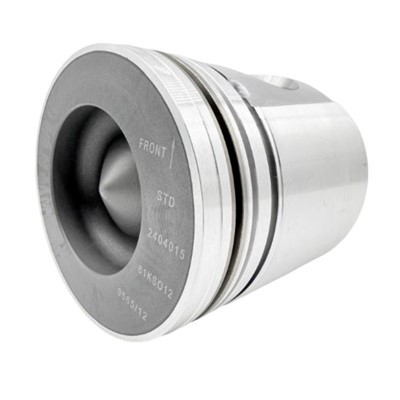
At the end of the day, DEUTZ piston hardness isn’t just a random number pulled from a textbook. It’s a carefully calibrated balance of strength and toughness, built by engineers who design parts to run through millions of cycles. It’s tailored to your engine’s job, whether that’s pulling a plow through a field or hauling dirt in a quarry. If you’re in the market for DEUTZ pistons and you want to make sure you’re getting the real thing—no fakes, no mis-matched specs, no parts that’ll leave you stuck—reach out to us. We can walk you through exactly what hardness your specific engine needs, answer any questions you have, and make sure you get parts that will last as long as you need them. Don’t settle for parts that cost a little upfront just to fail a few hundred hours later. Invest in the right hardness, and your engine will thank you.
Caterpillar Piston References
- DEUTZ AG. (2021). Technical Specification: Piston Hardness and Material Properties for Commercial Engines.
- ASTM International. (2018). Standard Test Method for Brinell Hardness of Metallic Materials (E10).
- Metal Casting Institute. (2020). Heat Treatment Processes for Aluminum Alloy Piston Components.
- Heavy Duty Parts Association. (2022). Guide to Identifying Genuine vs. Aftermarket Engine Components.
Hebei Yuwei Piston Co., Ltd.
As one of the most professional deutz piston manufacturers and suppliers in China, we’re featured by quality products and good service. Please rest assured to buy customized deutz piston made in China here from our factory. Also, quotation is available.
Address: Beizhujiacun Village, Sujiuzhuang Town, Ningjin County, Xingtai City, Hebei Province
E-mail: jack@ywpiston.com
WebSite: https://www.ywpiston.com/
