As a supplier of food wrapping paper, I’ve had numerous discussions with clients about the differences between food wrapping paper and foil. These two materials serve similar purposes in the food industry, but they have distinct characteristics that make them suitable for different applications. In this blog post, I’ll delve into the key differences between food wrapping paper and foil, shedding light on their unique properties, advantages, and limitations. Food Wrapping Paper
Material Composition
Food wrapping paper is typically made from wood pulp, which is processed to create a thin, flexible sheet. The paper can be treated with various coatings to enhance its performance, such as water resistance, grease resistance, and heat resistance. Some food wrapping papers are also made from recycled materials, making them an environmentally friendly option.
On the other hand, foil is made from aluminum, a lightweight and malleable metal. Aluminum foil is produced by rolling aluminum ingots into thin sheets, which can be further processed to create different thicknesses and finishes. Foil is known for its excellent barrier properties, which make it effective at preventing the transfer of moisture, oxygen, and light.
Physical Properties
One of the most significant differences between food wrapping paper and foil is their physical properties. Food wrapping paper is lightweight, flexible, and easy to tear. It can be folded, crumpled, and shaped to fit various food items, making it a versatile option for wrapping. However, food wrapping paper is not as strong as foil and may tear or puncture easily, especially when handling heavy or sharp objects.
Foil, on the other hand, is more rigid and durable than food wrapping paper. It can withstand high temperatures and is resistant to tearing and puncturing. Foil is also a good conductor of heat, which makes it ideal for cooking and baking. However, foil is heavier and less flexible than food wrapping paper, which can make it more difficult to wrap certain food items.
Barrier Properties
Another important difference between food wrapping paper and foil is their barrier properties. Food wrapping paper provides a moderate level of protection against moisture, oxygen, and light. It can help to keep food fresh and prevent spoilage, but it is not as effective as foil in blocking these elements.
Foil, on the other hand, is an excellent barrier material. It can completely block moisture, oxygen, and light, which helps to preserve the freshness and flavor of food. Foil is also resistant to grease and oil, which makes it a good choice for wrapping fatty or oily foods.
Heat Resistance
Food wrapping paper and foil also differ in their heat resistance. Food wrapping paper is generally not suitable for use in high-temperature applications, such as baking or grilling. It may burn or catch fire if exposed to direct heat, which can pose a safety hazard.
Foil, on the other hand, is highly heat resistant and can withstand temperatures of up to 500°F (260°C). It is commonly used in baking, roasting, and grilling to protect food from direct heat and to help it cook evenly. Foil can also be used to line baking sheets and pans, which makes them easier to clean.
Environmental Impact
In recent years, there has been a growing concern about the environmental impact of food packaging materials. Food wrapping paper is generally considered to be a more environmentally friendly option than foil. It is made from renewable resources, such as wood pulp, and can be recycled or composted after use.
Foil, on the other hand, is made from aluminum, which is a non-renewable resource. While aluminum foil can be recycled, it requires a significant amount of energy to produce and recycle. Additionally, foil is not biodegradable and can take hundreds of years to decompose in landfills.
Cost
The cost of food wrapping paper and foil can vary depending on several factors, such as the quality, thickness, and size of the material. In general, food wrapping paper is less expensive than foil. It is a cost-effective option for wrapping food items, especially for small businesses and home users.
Foil, on the other hand, is more expensive than food wrapping paper. It is often used in high-end food packaging applications, such as luxury chocolates and gourmet foods. However, the cost of foil can be offset by its superior barrier properties and heat resistance, which can help to extend the shelf life of food and reduce waste.
Applications
Food wrapping paper and foil are used in a variety of applications in the food industry. Food wrapping paper is commonly used for wrapping sandwiches, baked goods, and other food items. It is also used for lining food containers and trays, which helps to keep food fresh and prevent spills.
Foil is commonly used for cooking and baking, as well as for wrapping food items. It is often used to line baking sheets and pans, which helps to prevent food from sticking and makes them easier to clean. Foil is also used for wrapping leftovers and storing food in the refrigerator or freezer.
Conclusion
In conclusion, food wrapping paper and foil are two different materials with distinct characteristics and applications. Food wrapping paper is lightweight, flexible, and environmentally friendly, but it provides a moderate level of protection against moisture, oxygen, and light. Foil, on the other hand, is more rigid, durable, and heat resistant, and it provides an excellent barrier against moisture, oxygen, and light.
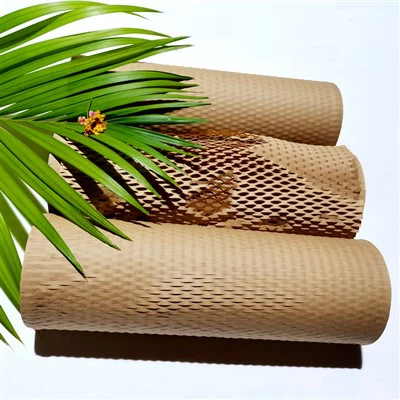
Paper Cushion Pad As a supplier of food wrapping paper, I understand the importance of choosing the right material for your food packaging needs. Whether you’re a small business owner or a home cook, I can help you select the best food wrapping paper for your specific application. If you have any questions or would like to learn more about our products, please don’t hesitate to contact me. I look forward to working with you to find the perfect solution for your food packaging needs.
References
- "Food Packaging Materials: A Review." Journal of Food Science and Technology, vol. 52, no. 10, 2015, pp. 6097-6111.
- "Aluminum Foil: Properties and Applications." Aluminum Association, 2021.
- "Food Wrapping Paper: Types and Uses." Packaging World, 2020.
Dongguan Xianghe Paper Co., Ltd.
Dongguan Xianghe Paper Co., Ltd. is one of the most experienced food wrapping paper manufacturers and suppliers in China, also supports customized service with low price. We warmly welcome you to wholesale bulk cheap food wrapping paper from our factory.
Address: No. 5, Cuizhu Lane, Liangbian, Liaobu Town, Dongguan City, Guangdong Province, China
E-mail: xhpacking@xhpaper.cn
WebSite: https://www.xhpacking.com/
