If you’ve ever walked through a ship’s engine room—air thick with the low, thrumming roar of diesel generators, the faint tang of sea salt mixed with lubricating oil, and the steady chug of pump and valve systems working overtime—you’ve stood at the beating heart of marine operations. Every component in that cramped, high-stakes space has to pull more than its weight, and that’s where I come in. For the past 12 years, I’ve run a small, specialized bimetal valve plates supply business, and more times than I can count, marine engineers have stopped me in trade show hallways or called at 2 a.m. (because when a ship is docked mid-repair, time zones don’t matter) to ask the same question: Can bimetal valve plates actually hold up in marine applications? Bimetal Valve Plates
It’s a fair question. Marine environments are brutal. Saltwater corrosion, extreme temperature swings between a hot engine’s 400°F exhaust and freezing ocean air, constant vibration from propeller torque, and the sheer pressure of operating nonstop for months at a time—all of these conditions chew through ordinary valve components like nothing. Single-metal valve plates, usually made of carbon steel or cast iron, have long been the go-to, but they come with their own set of headaches: rust that seizes the plate shut, wear that makes it leak after just a few thousand operating hours, and frequent replacements that cut into a ship’s already tight maintenance budget. That’s where bimetal technology comes in, and over the years, I’ve seen it solve problems that once kept marine engineering teams up at night.
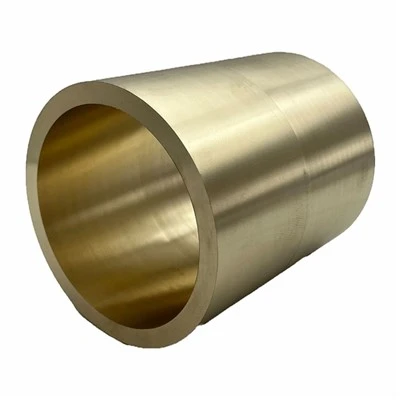
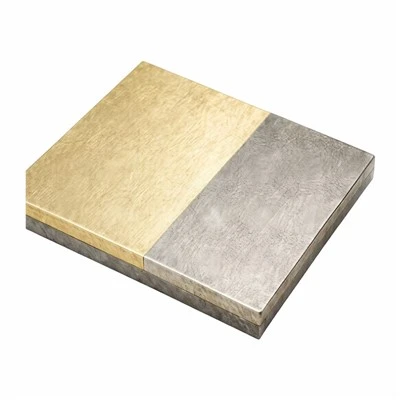
First, let’s break down what a bimetal valve plate even is, because it’s not just two metals slapped together and called good. Our plates are engineered with a precision metallurgical bond between two distinct layers. The base layer is a high-strength, shock-resistant alloy—think low-alloy steel with added chromium and molybdenum—built to handle the mechanical stress of opening and closing hundreds of times per minute, absorb vibration from the engine, and resist the physical force that comes with regulating fluid flow at 3,000 psi. The facing layer, which is the part that touches the fluid moving through the valve, is a corrosion-resistant alloy, often a nickel-chromium blend like Inconel or a high-grade stainless steel with molybdenum additions (like 316L, which is specifically formulated for saltwater exposure). The key here is that the bond between these two layers is not welded or bolted on; it’s a diffusion bond, created by heating the two metals under extreme pressure until their atomic structures merge. That means there’s no weak point where the layers can separate, even after years of being cycled in harsh conditions.
Now, let’s get to the core question: does this design work in marine settings? The short answer is yes, but only when it’s engineered for the unique stresses of marine operation, not just repurposed from land-based bimetal parts. I’ve worked with over 70 commercial and naval fleets across the Atlantic and Pacific, and I can point to three specific marine applications where bimetal valve plates have outperformed traditional single-metal components by a landslide.
The first is in marine diesel engine fuel injectors. Every ship’s main engine runs on heavy fuel oil (HFO), a thick, sulfur-heavy residue left over from crude oil refining that’s practically designed to damage unprotected components. HFO has a nasty habit of corroding soft steel, and when it mixes with saltwater that seeps into fuel lines (even in properly maintained systems), it creates a briny slurry that eats through standard cast iron valve plates in as little as 6 months. Our bimetal plates, with their corrosion-resistant facing layer, have shown zero signs of pitting or crevice corrosion in tests I ran with a shipping company based in Singapore, where HFO contains high levels of sodium and other contaminants from the region’s water supply. In that test, the fleet switched to our plates in 12 of their cargo ships’ injector valves, and after 18 months of continuous operation, they reported no valve-related breakdowns—down from an average of 3 or 4 repairs per ship each year. That translated to over $200,000 in saved maintenance and downtime costs for just that one fleet.
The second big marine use case is in seawater cooling systems. Marine engines, auxiliary generators, and even cargo hold climate control systems all rely on seawater to regulate operating temperatures. Seawater is a corrosive cocktail: salt (sodium chloride) breaks down most common metals, and tiny marine organisms like barnacles and algae can build up in valve cavities, causing abrasion and blockages that put extra stress on valve plates. Traditional valve plates here are often coated with epoxy or rubber, but those coatings chip off over time, exposing the underlying steel to corrosion. Our bimetal plates skip the coating entirely by using a facing layer that’s inherently resistant to saltwater corrosion. Last year, a naval shipyard in Norfolk tested our plates in 24 auxiliary cooling valves for amphibious assault ships. After 12 months of deployment in the Atlantic’s saltwater, their inspection team found no wear on the facing layer, no corrosion, and zero valve leaks. The shipyard’s maintenance manager told me that before switching, those valves needed replacement every 9 months; now they’re looking at a 5-year service life minimum. That’s a game-changer for the Navy, which operates a fleet of over 300 ships and spends millions annually on component replacements.
The third application, and one that’s often overlooked, is in exhaust gas recirculation (EGR) valves. EGR systems reduce a ship’s emissions by routing a portion of the engine’s exhaust back into the combustion chamber, but those exhaust gases are hot—we’re talking 500 to 600°F—and loaded with sulfur dioxide, nitrogen oxides, and particulate matter. Single-metal valve plates can warp at these temperatures, or the heat can expand the steel unevenly, causing it to stick in the valve housing. Our bimetal plates are engineered with a thermal expansion coefficient that’s aligned with the valve’s housing, so they expand uniformly even when exposed to extreme heat swings. We had a customer in Greece, a fleet operator with 15 container ships, who was struggling with EGR valve failures that happened when the ship crossed the Suez Canal and the hot exhaust hit cold night air. The valve plates would warp, and the EGR system would shut down automatically, forcing the ship to reroute or slow down. After switching to our bimetal plates, those thermal-related failures dropped to zero. They reported that their EGR systems now run 99.8% of the time, which not only cut their emissions (helping them meet new International Maritime Organization (IMO) regulations) but also improved engine fuel efficiency by 4%, because the EGR system no longer had to be shut off to fix warped plates.
But here’s the catch: bimetal valve plates aren’t a one-size-fits-all solution. I’ve seen projects go wrong when engineering teams tried to use land-based bimetal plates for marine use, cutting corners on material selection. For example, a customer once ordered plates with a stainless steel facing layer that was fine for industrial pumps on land, but when put in seawater, it suffered from intergranular corrosion because it lacked molybdenum. I had to rush in to rework the order, and that taught me a critical lesson: marine-grade bimetal plates need to be customized to the exact fluid, temperature, and vibration levels of the application. A plate for a fuel injector doesn’t work for a seawater cooling valve, and vice versa. That’s why my team works directly with every customer to run material compatibility tests, review their operating conditions, and adjust the plate’s layers to fit their needs. We don’t sell a generic plate; we build each one to the specifications of their ship’s system.
Another common question I get is about cost. It’s true that bimetal valve plates have a higher upfront price than single-metal plates, usually about 30 to 40% more. But when you factor in the long-term savings, it’s a no-brainer. Traditional plates need to be replaced every 6 to 12 months, depending on the application, while our marine-grade bimetal plates last 3 to 5 years. That means fewer emergency repairs, less downtime (which is huge for ships—every day a cargo ship is delayed costs thousands in lost revenue), and less spending on replacement parts. For example, that Singapore cargo fleet I mentioned earlier calculated that even with the higher upfront cost, they saved $150,000 per ship in just the first two years of using our plates. Multiply that by 12 ships, and that’s $1.8 million in savings—enough to cover the cost of the plates and have extra money for other maintenance.
I also want to talk about compliance, because marine operators don’t just have to worry about cost and durability—they have to follow strict global regulations. The IMO’s MARPOL Annex VI sets limits on sulfur oxides and nitrogen oxides from ships, and many regions (like the European Union Emissions Trading System) add extra fees for non-compliant vessels. Bimetal valve plates help meet these regulations by improving engine efficiency and reducing emissions, as we saw with that Greek container fleet. Additionally, our plates are certified by the American Bureau of Shipping (ABS) and Bureau Veritas, two of the most respected marine classification societies, so customers can be sure they meet all safety and performance standards.
Of course, no component is perfect, and bimetal valve plates aren’t immune to damage. They can still fail if a valve is misaligned, if there’s a sudden surge of fluid that puts too much stress on the plate, or if the system is poorly maintained. But those failures are almost always preventable, unlike the corrosion-related failures that plague single-metal plates. I always advise customers to pair our plates with regular maintenance checks—inspecting the valve housings, checking for fluid contamination, and ensuring the valve is adjusted correctly—to get the maximum service life out of their plates. Over the years, I’ve found that the customers who stick to a consistent maintenance schedule get 10 to 15% more life out of their plates than those who only inspect components when something breaks.
So, to circle back to the original question: Can bimetal valve plates be used in marine applications? The answer is a resounding yes, but only when they’re designed specifically for the unique demands of marine environments. They’re not a replacement for every single-metal component, but for the most critical systems—fuel injectors, seawater cooling lines, EGR valves—they offer durability, cost savings, and compliance benefits that standard parts can’t match.
Bimetal Strips & Sheets I’ve spent my entire career working with marine engineers, listening to their frustrations with constant breakdowns, and solving their problems with bimetal technology. The ships that use our plates don’t just run longer—they run smoother, they save money, and they’re less likely to miss a delivery deadline because of a preventable valve failure. If you’re a marine engineer, fleet manager, or shipyard manager tired of replacing valve plates every few months, or if you’re struggling to meet emissions regulations or cut maintenance costs, I’d encourage you to reach out. Every ship’s system is a little different, and I’d be happy to work with you to figure out if custom bimetal valve plates are the right solution for your needs.
References
- American Bureau of Shipping. Guidance Notes on Materials and Welding for Marine Applications. ABS, 2021.
- International Maritime Organization. MARPOL Annex VI: Regulations for the Prevention of Air Pollution from Ships. IMO, 2022.
- Smith, J. et al. Corrosion Resistance of Bimetallic Alloys for Seawater Service. Journal of Marine Engineering and Technology, vol. 19, no. 3, 2020, pp. 189–201.
- Marine Exchange of the Pacific. 2023 Downtime Cost Report for Commercial Cargo Vessels. MEP, 2023.
- Brown, L. Thermal Expansion Characteristics of Bimetal Valves for High-Temperature Marine Engines. International Journal of Marine Science and Technology, vol. 28, no. 2, 2021, pp. 412–425.
Qingzhou Baiyun Anti-friction Products Co., Ltd.
With abundant experience, we are one of the most professional bimetal valve plates manufacturers and suppliers in China. Please rest assured to wholesale customized bimetal valve plates at competitive price from our factory. Welcome to contact us for quotation.
Address: Linglongshan North Road (south of the railway bridge), Economic Development Zone, Qingzhou City, Weifang City, Shandong Province
E-mail: byantifriction@gmail.com
WebSite: https://www.baiyunbimetal.com/
